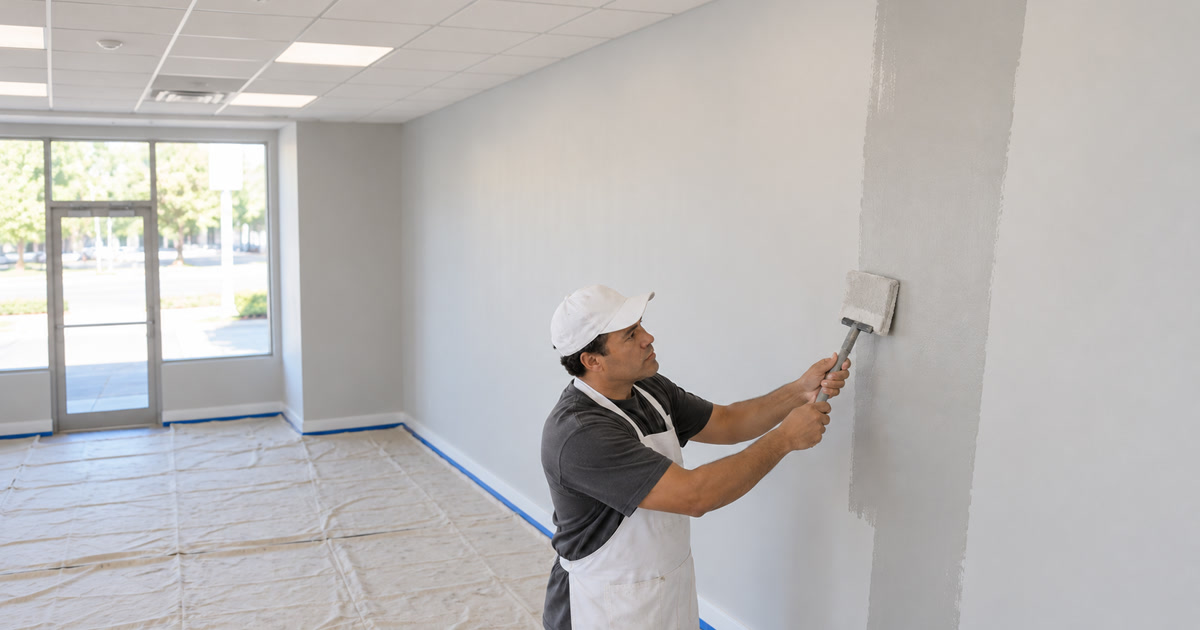

Every flooring inquiry gets easier to handle when the office captures the room, material interest, timing, access, and next owner in one reviewable record.
Short answer: An AI agent receptionist for flooring contractors can answer routine inbound calls, collect caller-reported project details, confirm approved business information, offer verified consultation windows, take messages, and route a structured request to the right person. It can separate what the caller reported from what the contractor has verified and mark technical questions as unresolved. It should not assess a subfloor, moisture, damage, installation method, material suitability, scope, price, safety, warranty, code, permit, or project outcome. Qualified contractor personnel keep every field, technical, pricing, safety, and consequential decision.
Capture the request before trying to classify the job
A flooring caller may begin with a room that needs new flooring, cracked tile, worn planks, a scheduling question, a material preference, or a request for a price. Those details help the office route the call, but they do not establish what the site needs.
A useful intake record preserves four layers:
- Caller-reported details: Record the caller’s words without converting them into verified condition, cause, scope, or suitability.
- Approved administrative facts: Confirm only information the business has authorized the receptionist to state, such as hours, service area, consultation types, and available appointment windows.
- Open questions: Mark substrate, moisture, dimensions, material, installation method, repairability, price, warranty, code, and schedule as unresolved when a qualified person has not reviewed them.
- Ownership: Assign the request to the contractor-approved person or queue that can decide the next step.
This structure gives the team a clean starting point while keeping flooring judgment with people who can evaluate the actual site and project.
Build a bounded flooring intake map
The intake map should be short enough to use consistently and specific enough to prevent guesswork.
Contact and callback details
Collect the caller’s name, callback number, and approved communication preference. Read back important details when appropriate. If the caller declines an optional field, record that without pressure.
Routine intake should avoid payment-card data, door codes, identity documents, financing records, insurance credentials, or unrelated personal information.
Property and room context
Capture the service address or service area needed for routing. Ask whether the request concerns a residence or commercial space, which room or area is involved, and whether the caller is asking about a new project, an existing appointment, or follow-up on prior work.
The receptionist can preserve approximate room count or caller-provided dimensions as reported information. It should not present those details as a verified measurement or use them to calculate scope.
Material interest
Record the material category the caller mentions, such as tile, wood-look plank, hardwood, laminate, or another option. Preserve uncertainty when the caller is unsure.
An automated receptionist should not recommend a material, decide what is suitable for a room, compare technical performance, select an installation system, or make a warranty claim. Those questions belong in the contractor’s review.
Timing and access
Ask about the caller’s preferred consultation timing and any approved logistical facts the contractor needs before scheduling. Avoid promises about start dates, completion dates, crew availability, material availability, site readiness, or access requirements that have not been verified.
Next owner
Every call record needs one visible owner. Depending on the business, that might be an office coordinator, estimator, showroom consultant, project manager, service manager, or another authorized person.
Use three call lanes
A flooring contractor can keep the workflow understandable with three administrative lanes.
Lane 1: routine office request
Use this lane for approved tasks such as confirming business hours, taking a message, moving an eligible appointment, confirming an existing consultation, or answering a documented administrative question.
The receptionist records whether the requested action completed. Calendar, customer-system, or field-service access requires separate authorization, configuration, and testing before use.
Lane 2: new or unresolved project inquiry
Use this lane when the caller describes a room, material interest, visible concern, repair question, or request for an estimate.
The receptionist gathers the minimum approved information, repeats the caller’s description, marks technical and pricing questions as unresolved, and routes the request for review. It does not decide measurement, substrate condition, moisture status, preparation, product suitability, installation method, scope, price, warranty, or schedule.
Lane 3: fixed stop-and-handoff trigger
Use this lane when the caller mentions a contractor-approved phrase that requires routine questioning to stop and a human handoff or written safety message to begin. The agent can recognize the phrase and follow a prewritten administrative route. That is not technical triage.
The receptionist should preserve the caller’s exact words, attempt the approved transfer, state truthfully whether it connected, and use the documented fallback. It should not declare an area safe, advise anyone to disturb flooring or materials, identify a hazard, or promise that a crew is responding.
Keep measurements and photos in the right lane
Callers may provide measurements, photos, product names, or descriptions of the existing floor. The intake record can note that those items were offered and route them through an approved channel.
The receptionist should not treat caller measurements as field measurements, interpret a photo as a site assessment, identify material composition from an image, or infer hidden conditions. It should also avoid collecting sensitive images or unrelated property details.
A useful label set is:
- reported for caller-provided details;
- received for a file or photo that arrived through an approved route;
- verified only for information checked by an authorized person or approved system;
- unknown for unresolved questions; and
- assigned for the person or queue responsible for follow-up.
Preserve a concise handoff record
A practical flooring call brief can include:
- call date and time;
- caller name and callback number;
- service address or service area;
- property and room type as reported;
- material interest as reported;
- new-project, existing-appointment, or follow-up status;
- preferred consultation timing;
- approved files received, if any;
- technical, measurement, pricing, warranty, safety, and schedule questions left unresolved;
- route or appointment status; and
- the named follow-up owner.
The receiving person should be able to answer five questions quickly:
- Who called, and how can the team respond?
- Which property or room is involved?
- What did the caller report?
- What administrative facts were confirmed?
- What decision still belongs to a qualified person?
A bounded note might read:
Caller reports cracked tile near a kitchen doorway and asks about repair or replacement. Address, callback number, room, and preferred consultation window were recorded. No cause, substrate condition, moisture status, repairability, material match, scope, price, safety, or schedule was determined. Request assigned to the estimator for review.
The note is useful because it keeps the caller’s observation separate from the contractor’s later evaluation.
What KIGWI’s AI Receptionist can handle
KIGWI describes its AI Receptionist as a phone agent that can answer calls, hold conversations, take details, route callers, book or reschedule approved appointments, confirm appointments, and take messages.
For a flooring or tile contractor, a bounded configuration can:
- answer with approved business identification and disclosure language;
- collect minimum contact, property, room, and timing details;
- preserve the caller’s description in neutral language;
- answer approved administrative questions;
- offer verified consultation windows;
- create a structured inquiry brief;
- route the call under documented rules;
- attempt a human transfer when required; and
- record whether the transfer, booking, or message completed.
The business must approve the call map, required and optional fields, consultation types, service-area rules, escalation contacts, fallback messages, disclosures, data access, retention, and change process before activation.
Keep trade judgment with qualified people
Flooring and tile work can involve substrate conditions, moisture, adhesives, surface preparation, product specifications, installation systems, transitions, accessibility, codes, permits, warranties, dust, occupied spaces, and jobsite safety.
KIGWI and its AI agent should not:
- inspect, diagnose, or classify flooring condition;
- identify material composition from a call or photo;
- decide substrate readiness or moisture status;
- choose products, adhesives, underlayment, transitions, or installation methods;
- calculate measurements, waste, scope, or field pricing from unverified information;
- determine code, permit, accessibility, warranty, or manufacturer requirements;
- direct demolition, containment, testing, repair, or installation work;
- claim a contractor license, certification, authorization, warranty status, or manufacturer relationship; or
- promise timing, savings, durability, safety, completion, or another project outcome.
Qualified contractor personnel and other authorized professionals own those decisions. The receptionist supports the administrative trail around them.
Start with one call type
A practical pilot can begin with new-project consultation requests.
Define the minimum fields, approved appointment windows, routing owner, stop phrases, fallback message, and boundaries. Test calls with incomplete addresses, uncertain material names, requests for price, caller-provided measurements, repair questions, photo offers, schedule pressure, and technical questions.
Review whether the final record preserves the caller’s words, labels unknowns honestly, routes the request correctly, and distinguishes an attempted action from a completed one. Expand only after the team can verify that the workflow produces cleaner handoffs without moving flooring judgment away from qualified people.
Frequently asked questions
Can an AI receptionist estimate a flooring project from caller measurements?
No. It can record measurements as caller-reported information and route them for review. Field measurement, waste factors, scope, material quantities, and pricing stay with authorized contractor personnel.
Can it recommend tile, hardwood, laminate, or another product?
It can record the category the caller is considering and share approved administrative information. It should not decide product suitability, performance, installation method, warranty, or technical fit.
Can it book a consultation?
It can offer approved consultation types and verified windows when the contractor has authorized and tested the workflow. Booking does not promise site readiness, scope, price, materials, crew availability, start date, completion date, or outcome.
How should it handle repair or damage questions?
Preserve the caller’s words, avoid a diagnosis, mark cause and repairability as unknown, and route the request to the approved person. The agent should not direct demolition, testing, containment, or repair.
What should a flooring contractor review before expanding the workflow?
Review record accuracy, route selection, appointment and transfer status, unknown fields, privacy, script changes, corrections, access controls, and examples where the agent respected or crossed its boundary. Keep a human owner responsible for testing and rollback.
Sources
Ready to turn flooring calls into clearer administrative handoffs? Book a consultation with KIGWI.