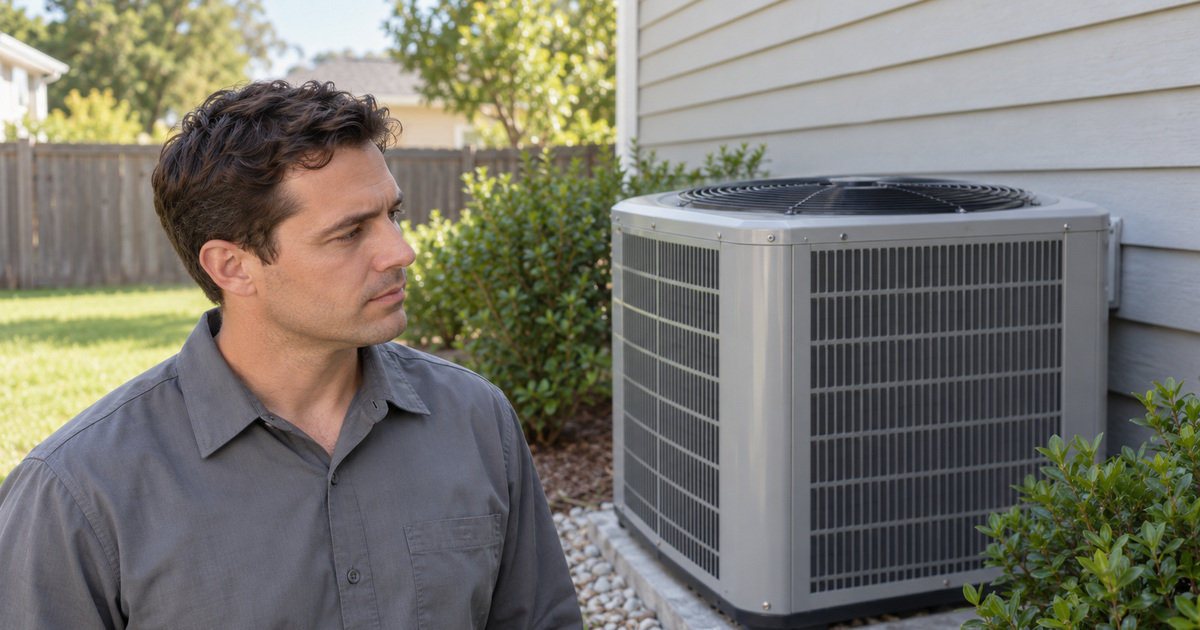
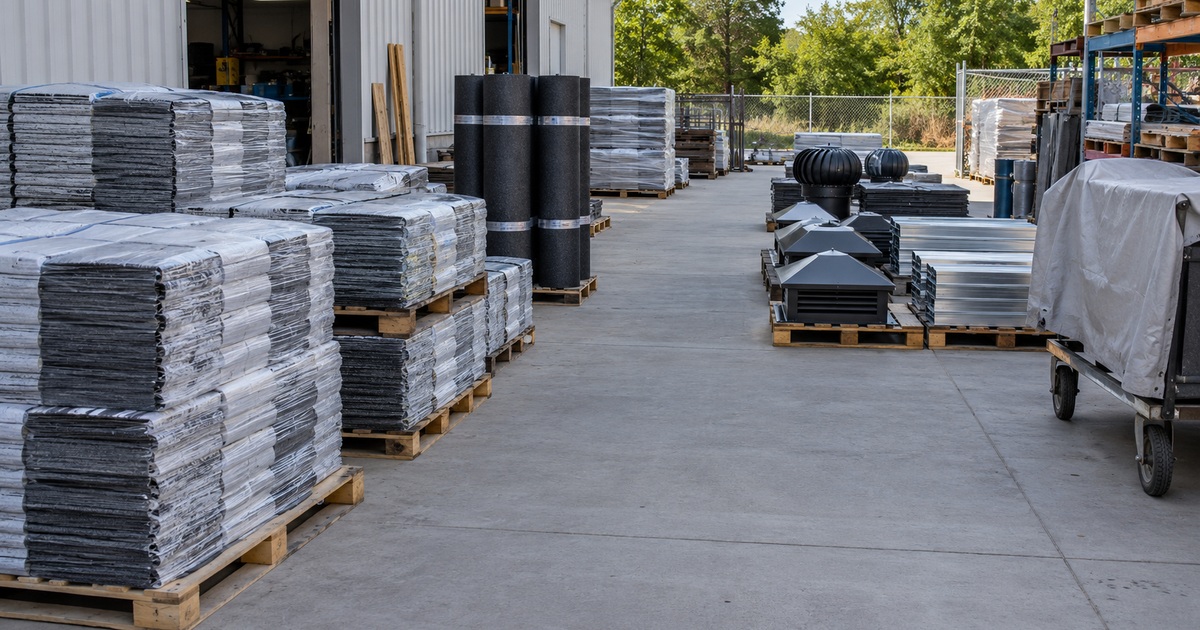
A roofing call becomes useful when the office captures the caller’s words, location, scheduling context, and next owner without pretending the call established roof condition or scope.
Short answer: An AI agent receptionist for roofing contractors can answer routine inbound calls, collect caller-reported details, confirm approved administrative information, offer verified appointment windows, and route a structured request to the right person. It can distinguish a new inquiry from an existing appointment, record weather-related context in the caller’s words, and document whether a transfer connected. It should not inspect a roof, assess damage, determine safety or urgency, estimate scope or price, interpret insurance coverage, or promise a crew response. Qualified contractor personnel keep every technical, safety, licensing, insurance, and field decision.
Start with a service-request record, not a conclusion
Roofing callers often begin with an observation: water appeared near a ceiling, shingles may be missing, debris is visible, an estimate appointment needs to move, or a previous visit needs follow-up. Those statements matter, but they are not an inspection.
A useful receptionist preserves four separate layers:
- Caller-reported information: Record the caller’s words without upgrading them into verified damage, cause, or urgency.
- Verified administrative facts: Confirm only approved records, such as a service address, an existing appointment, or the callback number already on file.
- Unknowns: Leave roof condition, access, scope, safety, insurance, pricing, and repair questions unresolved.
- Ownership: Assign the request to the contractor-approved person or queue that can decide the next step.
That separation gives the roofing office a cleaner starting point and keeps the call record honest.
Build a bounded intake map
The intake map should be short, approved by the business, and designed around administrative routing. A practical version can include the following sections.
Contact and callback details
Collect the caller’s name, callback number, and approved communication preference. Read back critical details when appropriate. If a nonessential field is declined, record that without pressuring the caller.
Property and access context
Capture the service address or service-area information needed for routing. Ask only approved logistical questions, such as whether the request concerns a residence or commercial property and whether an appointment already exists.
Do not ask for door codes, payment-card data, insurance credentials, identity documents, or unrelated personal information during routine intake.
Caller-reported roofing concern
Preserve what the caller sees or experiences in neutral language. Useful fields may include when the concern was noticed, the general area the caller mentioned, whether active water is present indoors, and whether prior roofing work or an appointment is already associated with the request.
The AI receptionist should not label the report as storm damage, structural damage, a leak source, a warranty issue, an emergency, or an insurance loss. It should not recommend a temporary repair or direct anyone onto a roof.
Scheduling context
Offer only appointment types and windows the contractor has approved. If service-area eligibility, visit type, access, or availability is unclear, create a callback request instead of inventing an answer.
A calendar entry is not a promise about arrival time, inspection findings, crew availability, material availability, price, insurance coverage, permit status, repair completion, or outcome.
Next owner
Every request needs one visible owner. Depending on the contractor’s workflow, that may be an office coordinator, scheduler, estimator, project manager, service manager, or another authorized role. The receptionist should select only from approved routes.
Use three call lanes
A roofing contractor can keep the workflow understandable with three administrative lanes.
Lane 1: routine office request
Use this lane for approved tasks such as confirming business hours, taking a message, moving an eligible appointment, confirming an existing appointment, or answering a documented administrative question.
The receptionist records what happened and whether the action completed. Any calendar, customer-system, or field-service connection requires separate authorization, configuration, and testing. This proposal activates no integration.
Lane 2: new or unresolved service request
Use this lane when the caller describes a roofing concern, asks for an estimate, requests an inspection, mentions an existing issue, or cannot provide all required administrative details.
The receptionist gathers the minimum approved information, repeats the caller’s description, marks every technical question as unresolved, and routes the request for human review. It does not decide cause, severity, access method, scope, materials, crew, price, warranty, permit, or schedule.
Lane 3: fixed escalation trigger
Use this lane when the caller uses contractor-approved words that require routine questioning to stop and a human or emergency message to begin. The system can recognize the approved phrase and follow the written handoff sequence. That is an administrative trigger, not technical triage.
The receptionist should preserve the caller’s exact words, attempt the approved transfer, state truthfully whether the transfer connected, and follow the documented fallback. It should not decide that a property is safe, tell someone to enter or leave an area, direct roof access, interpret electrical or structural risk, or claim that help is on the way.
Keep weather and insurance language inside clear boundaries
Roofing calls may follow hail, wind, heavy rain, or another weather event. The receptionist can record what the caller says and the date or location they provide. It should not declare that weather caused damage, that a condition is covered, or that a claim should be filed.
Insurance questions require the same discipline. The AI receptionist should not:
- determine scope of loss;
- interpret a policy or coverage;
- negotiate or discuss claim value;
- act as an adjuster or public adjuster;
- advise on deductibles, assignment of benefits, or legal rights;
- promise insurer approval or payment; or
- present an estimate as an insurance determination.
The safe action is a handoff to the contractor’s authorized person, and where appropriate, the caller’s insurer or qualified adviser. This article does not address a specific state, property, contract, policy, claim, or storm engagement.
Preserve the call trail
A concise call brief is usually more useful than an unstructured transcript. It can include:
- call date and time;
- caller name and callback number;
- caller-reported address or service area;
- existing appointment reference, when verified;
- the caller’s exact description of the request;
- administrative questions asked and answered;
- technical, safety, insurance, and pricing questions left unresolved;
- approved route selected;
- transfer, message, or appointment status; and
- the person or queue that owns follow-up.
Use labels such as reported, verified, unknown, and assigned. Those labels help prevent a caller statement from becoming a false technical fact later in the workflow.
Free-text notes should stay relevant and factual. Avoid speculation about property condition, customer intent, ability to pay, urgency, fault, insurance status, or likely project value.
Design the handoff for the roofing office
The receiving person should be able to answer five questions quickly:
- Who called, and how can the team respond?
- Which property or appointment is involved?
- What did the caller report?
- What administrative facts were confirmed?
- What decision still belongs to a qualified person?
A useful handoff might read:
Caller reports water visible near an upstairs ceiling after recent rain. Service address and callback number were confirmed. No roof condition, cause, safety status, insurance coverage, price, scope, or response time was determined. Request assigned to the service coordinator for review.
That note is intentionally limited. It preserves the caller’s observation without claiming an inspection result.
What KIGWI’s AI Receptionist can handle
KIGWI describes its AI Receptionist as a phone agent that can answer calls, hold conversations, take details, route callers, book or reschedule approved appointments, confirm appointments, and take messages.
For a roofing contractor, a bounded configuration can:
- answer with approved business identification and disclosure language;
- collect minimum contact, location, and appointment details;
- capture the caller’s report in their own words;
- answer approved administrative questions;
- offer verified scheduling options;
- create a structured service-request brief;
- route the call under documented rules;
- attempt a human transfer when required; and
- record whether the transfer, booking, or message completed.
The business must approve the call map, data fields, appointment types, service-area rules, escalation contacts, fallback messages, disclosures, retention, access, and change process before activation.
Keep roofing judgment with qualified people
Roofing work can involve fall hazards, structural conditions, electrical exposure, weather, permits, codes, manufacturer requirements, contracts, warranties, and insurance questions. OSHA’s construction fall-protection standard places jobsite responsibilities on employers and addresses roofing activities on elevated surfaces. That is one clear reason an intake agent must not direct field safety or roof access.
KIGWI and its AI agent should not:
- inspect, diagnose, or classify roof condition;
- tell a caller or worker whether a roof or property is safe;
- recommend access, temporary repair, installation, or material selection;
- determine code, wind-load, permit, inspection, or manufacturer compliance;
- calculate technical scope or set field pricing from an unverified call;
- determine insurance scope, coverage, claim value, or legal rights;
- claim a contractor license, credential, certification, warranty status, or manufacturer relationship;
- promise response time, completed work, claim approval, savings, or a roofing outcome; or
- present itself as a licensed contractor, inspector, adjuster, emergency service, or legal adviser.
Qualified contractor personnel and other authorized professionals own those decisions. The AI receptionist supports the administrative trail around them.
Review before expanding the workflow
Start with a narrow group of routine calls and a small set of written routing rules. Review real call outcomes before adding more paths.
A useful review asks:
- Was the caller’s wording preserved?
- Were required administrative fields captured?
- Were optional fields treated as optional?
- Did the system avoid inspection, safety, insurance, pricing, and technical conclusions?
- Did the approved owner receive the request?
- Did the record distinguish an attempted transfer from a completed one?
- Were unknowns visible?
- Did staff correct recurring misunderstandings in the script or route map?
The contractor should also define who may change the intake map, who approves each change, how tests are recorded, and how a prior configuration can be restored.
A practical first deployment
Begin with one bounded use case, such as after-hours message capture for non-emergency roofing inquiries. Define the minimum fields, the exact owner, the words that stop routine intake, and the fallback when a transfer fails.
Test ordinary calls, incomplete answers, repeated callers, wrong addresses, schedule changes, background noise, weather language, insurance questions, requests for price, and requests for technical advice. Confirm what appears in the final brief and what the receiving person sees.
Then expand only when the team can verify that calls become clearer administrative requests without moving roofing judgment away from qualified people.
Frequently asked questions
Can an AI receptionist tell whether a roof is damaged?
No. It can record what a caller reports and gather approved administrative details, but it should not inspect, diagnose, classify damage, identify a cause, determine safety, or recommend repair. Those decisions belong to qualified people.
Can it book a roofing estimate appointment?
It can offer approved appointment types and verified windows when the contractor has authorized and tested the workflow. If service area, visit type, property access, or availability is unclear, it should create a callback request. Booking does not promise arrival, findings, scope, price, insurance coverage, or completion.
What information should it collect?
Collect the minimum needed for the approved route, usually a name, callback number, service address or area, caller-reported concern, and relevant appointment context. Avoid payment information, access codes, identity documents, insurance credentials, and unrelated personal data during routine intake.
How should it handle storm or insurance language?
Preserve the caller’s exact words and route the request to an authorized person. The receptionist should not declare storm damage, interpret coverage, determine a claim, discuss deductible strategy, negotiate loss, or act as an adjuster.
How should a roofing contractor evaluate the workflow?
Review call accuracy, route selection, completed versus attempted transfers, unresolved questions, privacy, script changes, and examples where the agent respected or crossed its boundary. Keep a human owner responsible for testing, corrections, access, and rollback.
Sources
- KIGWI Solutions: AI Receptionist
- Occupational Safety and Health Administration: 29 CFR 1926.501, Duty to Have Fall Protection
- Federal Trade Commission: Business Guidance
Ready to turn roofing calls into clearer administrative handoffs? Book a consultation with KIGWI.