
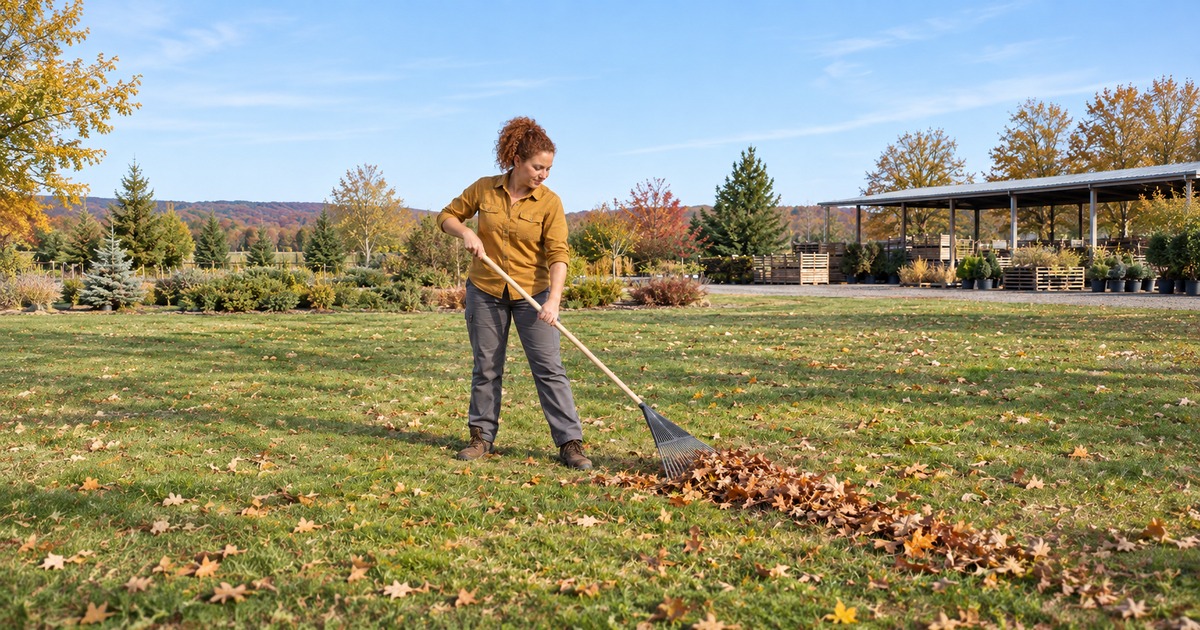
A useful landscaping search page begins with the services, places, seasonal limits, and field knowledge the company can actually verify.
Short answer: An AI agent SEO and GEO specialist for landscaping companies can organize approved service facts, research buyer language, draft useful pages, improve metadata and internal links, and prepare a review queue for human approval. Google’s current guidance says foundational SEO still matters for generative AI search and that automatically generated content requires manual fact-checking. The agent should not invent service areas, plant expertise, licenses, availability, customer results, or local experience. Landscape professionals approve every technical statement, local detail, image, and publication. Search Console access, Business Profile changes, website edits, and measurement require separate authorization and tested access.
Start with the October search guidance
Google updated its guidance on generative AI content on October 1, 2026. The practical message is straightforward: accuracy, quality, and relevance still matter, and AI-generated material needs manual fact-checking before publication.
Google’s separate guide to generative AI features says the familiar SEO foundation still applies. Useful, original content, crawlable pages, a clear technical structure, high-quality images, accurate local business details, and Search Console measurement remain more important than supposed GEO shortcuts.
That matters for landscaping and lawn-care companies because their websites often contain facts that change by season, crew capacity, service radius, property type, weather, equipment, and local practice. A generic page can sound polished while quietly getting those details wrong.
The better comparison is not AI content versus human content. It is an unverified content factory versus a controlled publishing workflow built from real operating knowledge.
Build a service-fact inventory first
Before drafting a page, create one approved record for each service the company actually offers. A useful record can include:
- the service name used by the team and customers;
- the work included and excluded;
- property types the company accepts;
- the true service area;
- seasonal availability and scheduling limits;
- customer questions staff answer repeatedly;
- photos the business owns and may publish;
- the person qualified to approve technical statements; and
- the date the record was last reviewed.
For a lawn-care company, “seasonal cleanup” may mean leaf removal and bed cleanup but not tree work, hauling beyond an approved limit, or pesticide application. For a landscape installer, “planting” may require a site visit before anyone can discuss species, drainage, soil preparation, irrigation, or installation scope.
Those limits are useful content. They help a prospective customer understand what the business does while preventing the page from promising work the team does not provide.
Organize pages around real customer decisions
A service page should answer the questions a serious visitor needs before contacting the business. The exact questions vary by service, but a practical page structure often includes:
- What the service covers: Use the company’s approved definition.
- Where it is offered: Name only verified service areas and explain meaningful limits.
- Who it fits: Describe property or project types without excluding people through protected or proxy characteristics.
- What affects the next step: Explain that property conditions, access, season, materials, and scope may require human review.
- What the company needs from the customer: Ask only for information necessary to discuss the request.
- What happens next: Describe the real inquiry or consultation process without promising availability, price, timing, or outcome.
This creates non-commodity content because the page reflects how the business actually works. It is more useful than publishing another broad article that repeats “improve curb appeal” without explaining the company’s service boundary.
Keep service-area details consistent
Landscaping and lawn-care companies commonly operate as service-area businesses. Google Business Profile guidance says these businesses should use accurate service areas and should not create extra profiles simply to cover more territory. Google also advises service-area businesses that do not serve customers at their address to remove that address from the public profile.
The website should follow the same truth pattern. A location page should exist because the business can provide distinct, useful information for that place, not because a software tool can swap one city name for another.
Before approving a local page, verify:
- the business actually serves the named place;
- the service is truly available there;
- the page contains useful local information approved by the team;
- the address, phone, hours, categories, and service description match approved business records;
- the page does not imply a staffed office that does not exist; and
- the copy avoids fake local testimonials, invented projects, or unsupported neighborhood expertise.
One accurate service-area explanation is better than a network of thin pages that create confusion.
Use field knowledge without turning it into advice
Landscape professionals may have valuable knowledge about scheduling, plant care, drainage observations, soil conditions, irrigation, equipment, and seasonal maintenance. Public content can explain the company’s process, but an SEO agent should not turn incomplete notes into technical instructions or site-specific conclusions.
Keep these boundaries clear:
- A page may explain that a site visit helps the company understand access and visible conditions.
- It should not diagnose drainage, tree health, irrigation performance, soil composition, or structural conditions from a generic description.
- A page may describe the company’s normal consultation sequence.
- It should not promise that a particular plant, chemical, treatment, design, schedule, or installation method is appropriate for every property.
- A page may identify questions customers can prepare.
- It should not replace licensed, certified, regulated, or qualified judgment where that is required.
The agent organizes approved knowledge. Qualified people decide what is true for the property and what may be published.
Add evidence that belongs to the business
A landscaping page becomes more useful when it includes original evidence the business has permission to use. That might include:
- a staff-reviewed explanation of the service process;
- original photos of real work with documented permission;
- a clear list of service boundaries;
- a maintenance checklist written and approved by a qualified team member;
- answers to recurring customer questions;
- a dated seasonal update; or
- a transparent explanation of how consultations and estimates work.
Do not manufacture evidence. Synthetic images must be labeled appropriately and should never be presented as a real property, employee, customer, installation, or result. Customer photos, addresses, faces, vehicle plates, documents, and project details need permission and privacy review before publication.
Google’s guidance also warns that generative models can produce inaccuracies. Human review must cover the visible article, title, description, structured data, image alt text, and any other element that may appear in search.
What KIGWI’s SEO & GEO Specialist can handle
KIGWI describes its SEO & GEO Specialist as an AI agent that researches keywords, improves pages, site structure, and metadata, creates search-focused content, runs technical audits, and tracks rankings, traffic, and visibility.
For a landscaping or lawn-care company, a bounded configuration can:
- organize the approved service-fact inventory;
- group verified buyer questions by service and intent;
- prepare page briefs and first drafts;
- flag missing proof, local details, and owner assignments;
- suggest titles, descriptions, headings, internal links, and image needs;
- compare drafts with the approved source record;
- prepare technical audit findings for review; and
- place approved measurements into a recurring report.
This proposal does not activate Search Console, Business Profile, website, analytics, or publishing access. Any connection, remote change, or automated release requires separate authorization, least-privilege access, testing, logging, and rollback.
Give every draft a claim ledger
A claim ledger keeps a polished draft from outrunning the evidence. For each meaningful statement, record:
- the exact claim;
- the source owner;
- the supporting record or public source;
- the approved scope;
- the date checked;
- the reviewer; and
- the next review date.
Use simple labels such as verified, needs review, seasonal, and do not publish. The SEO agent may draft around verified facts and route everything else back to the owner.
The ledger is especially useful for:
- service areas;
- seasonal availability;
- response or scheduling language;
- licenses and credentials;
- warranties;
- plant, chemical, irrigation, drainage, tree, or soil statements;
- environmental claims;
- pricing or financing;
- customer results; and
- platform, integration, or measurement claims.
Unknown is a valid status. Invented certainty is not.
Compare useful GEO work with GEO theater
Useful SEO and GEO work makes the business easier to understand, verify, crawl, and evaluate. GEO theater chases tricks that are detached from the customer experience.
Google’s current generative AI search guide specifically says website owners do not need special AI text files, forced content “chunking,” pages rewritten only for AI systems, inauthentic mentions, or special structured data for generative AI visibility.
A practical landscaping workflow should prioritize:
- accurate services and service areas;
- original, staff-reviewed knowledge;
- helpful page structure;
- descriptive titles and headings;
- crawlable internal links;
- accessible text and image descriptions;
- clear technical ownership;
- approved local business details; and
- measurement through authorized tools.
No responsible agent can guarantee rankings, traffic, AI citations, leads, or inclusion in an AI answer. Search systems, competitors, customer demand, website condition, and the quality of the underlying business information all change.
Review the page before publication
Use one release checklist for every landscaping page:
- Does the service exist exactly as described?
- Are the named locations genuinely served?
- Are seasonal statements still current?
- Did a qualified person approve technical language?
- Are prices, availability, timing, licenses, warranties, and results either supported or omitted?
- Are images owned, permitted, accurately described, and privacy-safe?
- Does the page add useful information beyond a generic summary?
- Can visitors and search systems reach the page through clear internal links?
- Are title, description, structured data, and alt text fact-checked?
- Is the human owner for corrections and rollback documented?
Publish only after the accountable reviewer can answer yes to every relevant item.
A practical first deployment
Start with one existing service page, not a city-page factory. Choose a service the company understands well and a page that already has an accountable owner.
Build the service-fact inventory. Compare the current page with approved business records. Draft a clearer short answer, service boundary, process section, FAQ, and next step. Have the field or operations reviewer correct every technical statement. Then have the website owner review metadata, links, accessibility, privacy, and release readiness.
After publication approval, monitor authorized search data and customer questions. Revise the source record when the business changes. The durable asset is not a pile of AI-written pages. It is a repeatable path from real landscaping knowledge to accurate, useful, reviewable content.
Frequently asked questions
Can an AI agent create landscaping service pages?
It can prepare briefs and drafts from approved source material, but people must verify every service, location, seasonal detail, technical statement, image, and claim before publication. The agent should not invent local experience, property conditions, credentials, availability, pricing, or results.
Does a landscaping company need special GEO markup for AI search?
Google says there is no special schema or AI text file required for its generative AI search features. Foundational SEO, useful original content, crawlable pages, accurate business details, strong images, and authorized measurement remain the practical priorities.
Should every city in a service area have its own page?
No. A location page should exist only when the company truly serves the place and can provide distinct, useful, verified information. Swapping city names across thin pages creates little value and can introduce inaccurate local claims.
Can the agent update a Google Business Profile?
Only after the business explicitly authorizes that access and approves the workflow. Profile edits should use accurate business names, categories, addresses, service areas, hours, services, and other facts. This proposal activates no profile access or remote changes.
How should a landscaping company measure the workflow?
Track approved page releases, fact-check corrections, stale service records, crawl and indexing issues, relevant search visibility, and qualified customer questions through authorized tools. Treat rankings and AI visibility as observed signals, not guaranteed outcomes.
Sources
- KIGWI Solutions: SEO & GEO Specialist
- Google Search Central: Google’s guidance on using generative AI content on your website
- Google Search Central: Optimizing your website for generative AI features on Google Search
- Google Business Profile Help: Guidelines for representing your business on Google
- Google Business Profile Help: Manage your service areas
Ready to turn verified landscaping knowledge into a practical search-content workflow? Book a consultation with KIGWI.